What is JLC’s role in a residential build?

JLC is your main contractor. We construct your home to your approved plans and specifications, coordinating trades, programme, quality control, health & safety, inspections and handover. Our focus is excellent workmanship, clear communication and a smooth delivery from site establishment to completion.
How do we get started?
Share your drawings and specifications (and selections if known). We’ll prepare a clear proposal outlining scope, inclusions/exclusions and any Prime Cost (PC) or Provisional Sum (PS) allowances. Once accepted, we finalise programme, confirm long‑lead items and agree site logistics so construction can begin.
What do I need in place before construction starts?
You’ll need: issued‑for‑construction drawings, building consent documentation, and key engineering information (e.g., truss/beam details, producer statements where applicable). We’ll also confirm utilities, site access, and any client‑supplied items. Finance approvals and insurance arrangements should be sorted prior to start.
What communication can I expect during the build?
You’ll have a dedicated Project Manager. We provide regular updates, progress photos, and scheduled site meetings. Any changes are managed through a transparent variations process so you always understand time and cost implications before proceeding.
How long will my build take?
Timeframes vary by design and site conditions, but most new homes are completed within 7–12 months from the start of construction. We issue a detailed programme so you know what’s happening and when.
Can I make changes during construction?
Yes — we manage variations professionally. We’ll price the change, discuss timing impacts and, once approved, incorporate it into the programme and quality documentation.
What about quality assurance and compliance?
We run staged QA checks throughout the build and coordinate required inspections. At completion, we provide a thorough handover with documentation for products and systems installed.
What happens after completion?
We stand behind our work. You’ll receive a defined defects‑liability period and manufacturer/subcontractor warranties for applicable components. If anything needs attention, we’re responsive and easy to reach.
What kinds of homes does JLC build?
Architectural homes, rebuilds and bespoke residences constructed to your plans and specifications. Our strength is delivering a high‑quality build and an organised, enjoyable construction experience.
About JLC’s Residential Expertise:
We’re builders first. JLC delivers well‑crafted homes with tidy sites, organised schedules and honest communication. We coordinate the detail so you can enjoy watching your new home come to life.
What is the building consent process in New Zealand and how long does it take?
A building consent is formal approval from your local council confirming that your construction plans comply with the New Zealand Building Code. Here's the complete process:
The Building Consent Process:
Step 1: Design and Planning (2-8 weeks)
• Work with designers/architects to create plans
• Ensure designs meet Building Code requirements
• Prepare all necessary documentation
Step 2: Submit Application
• Submit complete application to your local council (e.g., Christchurch City Council or Selwyn District Council)
• Include architectural plans, specifications, engineering reports
• Pay application fees (typically $1,500-$3,500 depending on project size)
Step 3: Council Processing (20 working days)
• By law, councils have 20 working days to process complete applications
• Reality: Simple projects may be approved within this timeframe
• Complex projects may require additional information, extending the timeline
Step 4: Approval or Requests for Information
• Council may approve, decline, or request further information
• Respond promptly to information requests to avoid delays
Step 5: Building Work Begins
• Once approved, you can legally commence construction
• Must follow approved plans exactly or apply for variations
Step 6: Inspections During Construction
• Council inspectors visit at key stages (foundations, framing, drainage, etc.)
• Must pass inspections before proceeding to next stage
Step 7: Code Compliance Certificate (CCC)
• Final inspection once work is complete
• CCC issued confirming work meets Building Code
• Essential for insurance and future property sales
Realistic Timelines:
• Simple residential builds: 4-6 weeks for consent
• Complex or large projects: 8-12+ weeks
• Tip: Pre-application meetings with council can identify issues early and speed up the process
Do You Need a Building Consent? Most new home builds require consent, but some minor work is exempt. Always check with your council if unsure.
What are the best types of building cladding for homes in Canterbury?
Choosing the right cladding for your Canterbury home depends on budget, aesthetic preferences, maintenance requirements, and local climate conditions. Here are the most popular options:
1. Brick Veneer
• Pros: Extremely durable (60-80 year lifespan), low maintenance, fire resistant, excellent thermal mass, premium appearance
• Cons: Higher upfront cost ($180-$300+ per m²), requires skilled installation, limited design flexibility once built
• Best for: Permanent family homes, areas with harsh weather, owners wanting minimal maintenance
• Canterbury suitability: Excellent - performs well in variable Canterbury weather
2. Weatherboard (Timber)
• Pros: Classic Kiwi aesthetic, natural warmth, flexible installation, can be repainted for refreshed look
• Cons: Requires repainting every 7-10 years, susceptible to weathering and moisture if not maintained
• Cost: $120-$200 per m² installed
• Best for: Traditional or cottage-style homes, owners happy with periodic maintenance
• Canterbury suitability: Good with proper maintenance and treatment
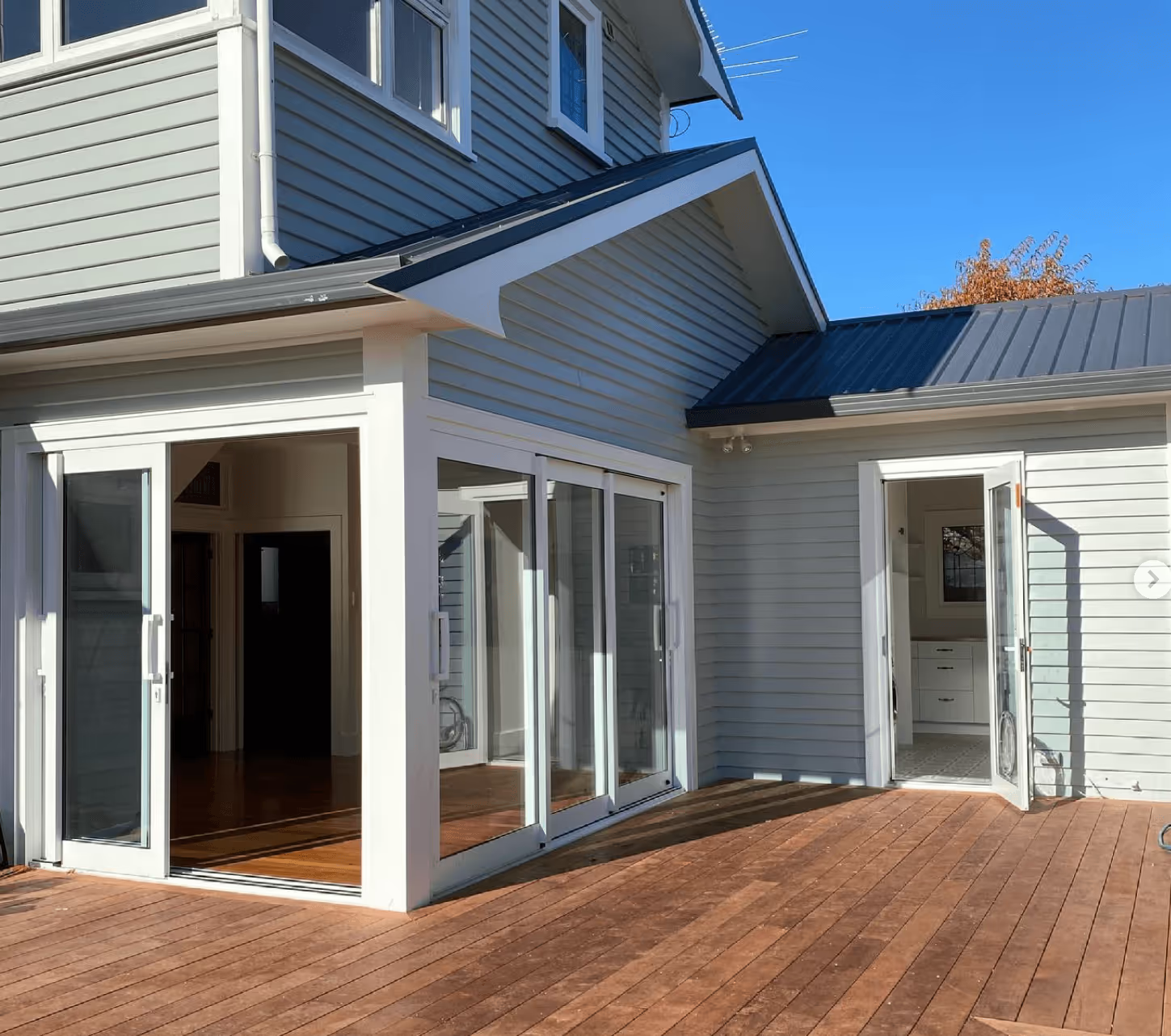
3. Fibre Cement Weatherboard (e.g., James Hardie)
• Pros: Looks like timber but more durable, resistant to rot and pests, 25-30 year warranty, fire resistant
• Cons: Still requires painting every 10-15 years, can crack if installed incorrectly
• Cost: $150-$220 per m²
• Best for: Low-maintenance alternative to timber, modern builds
• Canterbury suitability: Excellent - performs well in Canterbury's climate
4. Metal Cladding (Colorsteel/Corrugate)
• Pros: Lightweight, durable, low maintenance, modern aesthetic, good for complex designs
• Cons: Can dent, may rust in coastal areas, industrial appearance not for everyone
• Cost: $100-$180 per m²
• Best for: Contemporary designs, rural properties, budget-conscious builds
• Canterbury suitability: Excellent - handles Canterbury weather well
5. Cedar Cladding
• Pros: Premium natural appearance, excellent insulation, ages beautifully to silver-grey patina
• Cons: Most expensive timber option, requires regular maintenance/oiling, can split
• Cost: $200-$350+ per m² Best for: High-end architectural homes, natural aesthetic lovers
• Canterbury suitability: Good with proper treatment and maintenance
6. Plaster/Stucco
• Pros: Versatile designs, seamless appearance, good insulation properties
• Cons: Requires expert installation to avoid moisture issues (leaky homes legacy), can crack
• Cost: $180-$280 per m²
• Best for: Mediterranean or modern styles, when installed with proper cavity systems
• Canterbury suitability: Moderate - requires excellent installation to handle Canterbury's weather
Climate Considerations for Canterbury:
• Canterbury experiences nor'west winds, frosts, and variable rainfall
• East-facing and north-facing walls receive harsh sun exposure
• South-facing walls face moisture and cold
• Choose cladding with good UV resistance and proper weathertightness systems
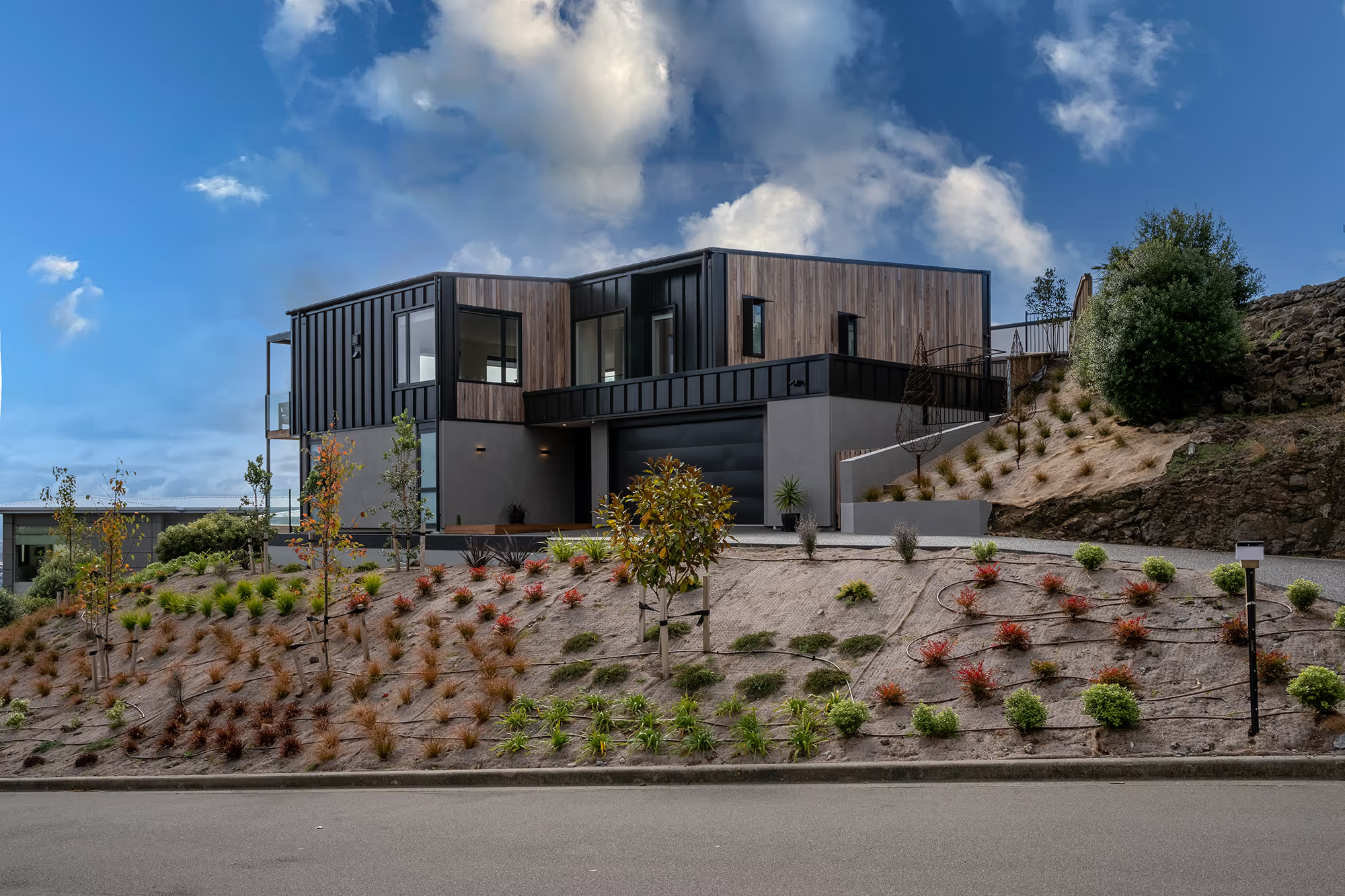
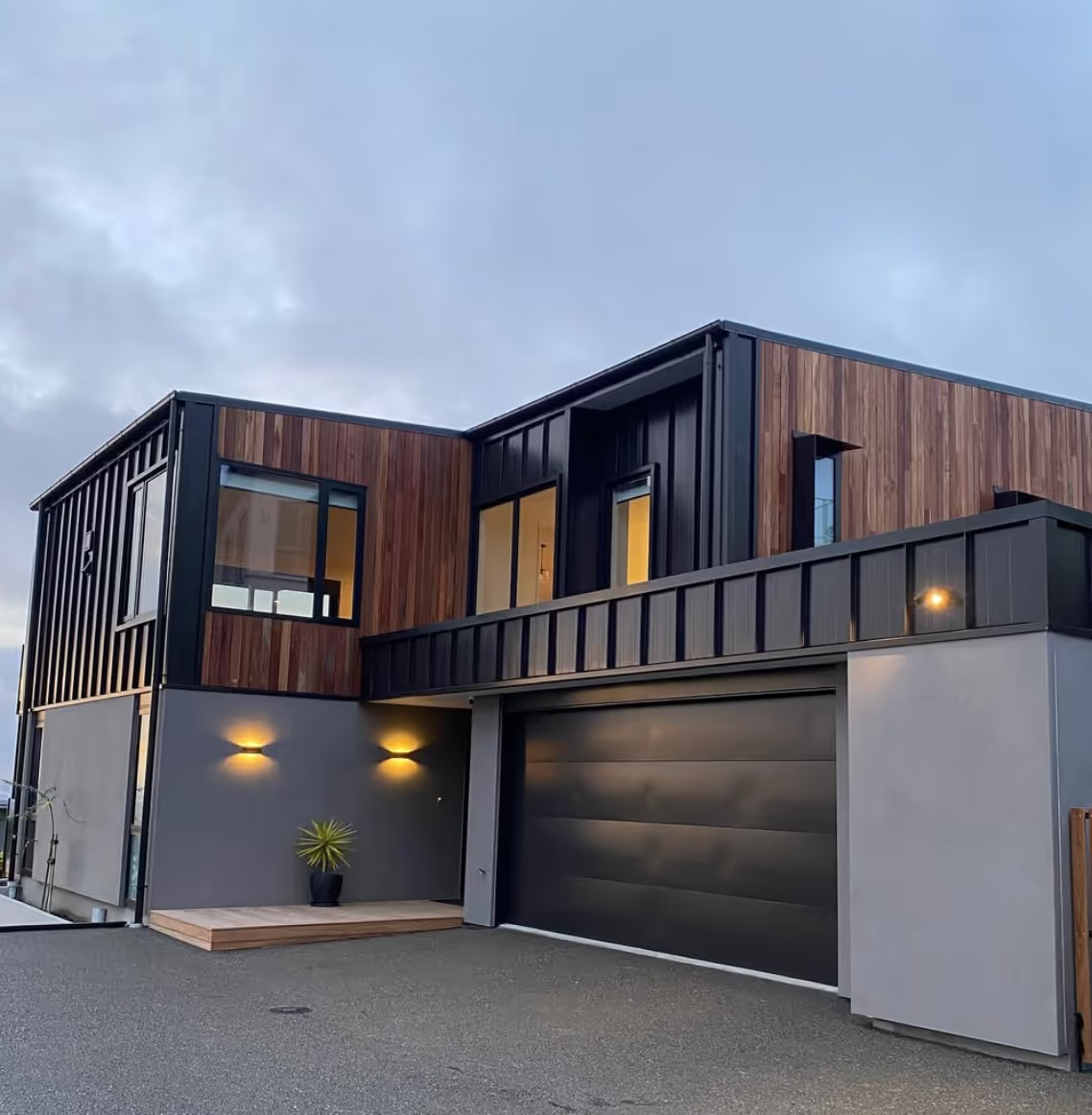
Mixed Cladding: Many modern homes combine 2-3 cladding types (e.g., brick on lower level, weatherboard on upper) for visual interest while optimising durability and cost.
How long does it take to build a new home in Canterbury?
The typical timeline for building a new home in Canterbury is 6-12 months from obtaining building consent to completion, but this varies significantly based on project complexity.
Typical Timeline Breakdown:
Pre-Construction Phase (8-16 weeks):
• Design and planning: 4-8 weeks
• Building consent processing: 4-8 weeks
• Site preparation and services: 1-2 weeks
Construction Phase (20-40 weeks):
• Foundations: 2-3 weeks
• Framing: 4-6 weeks
• Roof and external cladding: 3-5 weeks
• Windows and external joinery: 1-2 weeks
• Internal services (plumbing, electrical): 3-4 weeks
• Insulation and lining: 3-4 weeks
• Internal fit-out and finishing: 4-6 weeks
• Final inspections and CCC: 1-2 weeks
Factors That Extend Timelines:
• Weather delays (especially in winter)
• Material supply chain issues
• Complex architectural designs
• Site access difficulties
• Council inspection scheduling
• Changes to plans during construction
• Builder availability and scheduling
Realistic Expectations:
• Simple 150-180m² single-storey: 6-8 months
• Standard 200-220m² two-storey: 8-10 months
• Large or complex homes (250m²+): 10-14 months
• Custom architectural designs: 12-18 months
Canterbury-Specific Considerations:
• Earthquake engineering requirements can add time to design and consent phases
• Nor'west winds can occasionally halt roofing or scaffolding work
• Winter weather (May-August) can slow concrete work and external finishes
What are the most common building mistakes to avoid in Canterbury?
Based on decades of building experience in Canterbury, here are critical mistakes homeowners should avoid:
1. Underestimating True Project Costs
• Building costs are only part of the equation
• Budget for: land preparation, driveways, landscaping, fencing, council fees, services connections
• Add 10-15% contingency for unforeseen costs
• Mistake: Maxing out budget on building alone with no contingency
2. Choosing the Wrong Section
• Canterbury has varying soil conditions (TC1, TC2, TC3)
• Poor soil = expensive foundations and engineering
• Get geotechnical reports BEFORE purchasing land
• Consider sun aspect, access, and future development nearby
3. Skimping on Insulation and Heating
• Canterbury has cold winters and hot summers
• Building Code minimum insulation is just that - minimum
• Invest in double glazing, quality insulation, and efficient heating
• Pays back through reduced power bills and comfort
4. Poor Weathertightness Detailing
• The leaky homes crisis taught valuable lessons Ensure proper cavity systems behind cladding
• Don't compromise on flashings, sealants, and drainage
• Use Licensed Building Practitioners for critical weathertightness work
5. Not Planning for Future Needs
• Consider room for expansion, aging in place, family growth
• Pre-wire for future technology and solar panels
• Design storage adequately from the start
• Think about north-facing living areas for Canterbury' climate
6. Choosing Builders Based on Price Alone
• Cheapest quote often means cutting corners
• Check: LBP licenses, insurance, references, past projects
• Fixed-price contracts protect you from cost blowouts
• Quality workmanship saves money long-term
7. Making Changes During Construction
• Every change costs time and money
• Finalize selections before building begins
• Variations typically cost 20-30% more than if included initially
8. Ignoring Earthquake Requirements
• Canterbury has specific earthquake engineering requirements
• Don't fight these requirements - they protect your investment
• Budget for proper engineering and structural elements
.svg)
.svg)

.avif)